Industrial machinery refers to the collection of heavy equipment and mechanical systems used in the manufacturing, processing, and assembly of products in various sectors, including automotive, food and beverage, pharmaceuticals, textiles, and construction. These machines are designed to automate processes, enhance precision, and improve production rates, all while minimizing human labor and the risk of errors.
Depending on the industry and production needs, industrial machinery can range from simple machines, like conveyors and lathes, to highly advanced systems, such as CNC machines, robotic arms, and automated assembly lines.
Types of Industrial Machinery
- Manufacturing Machines:
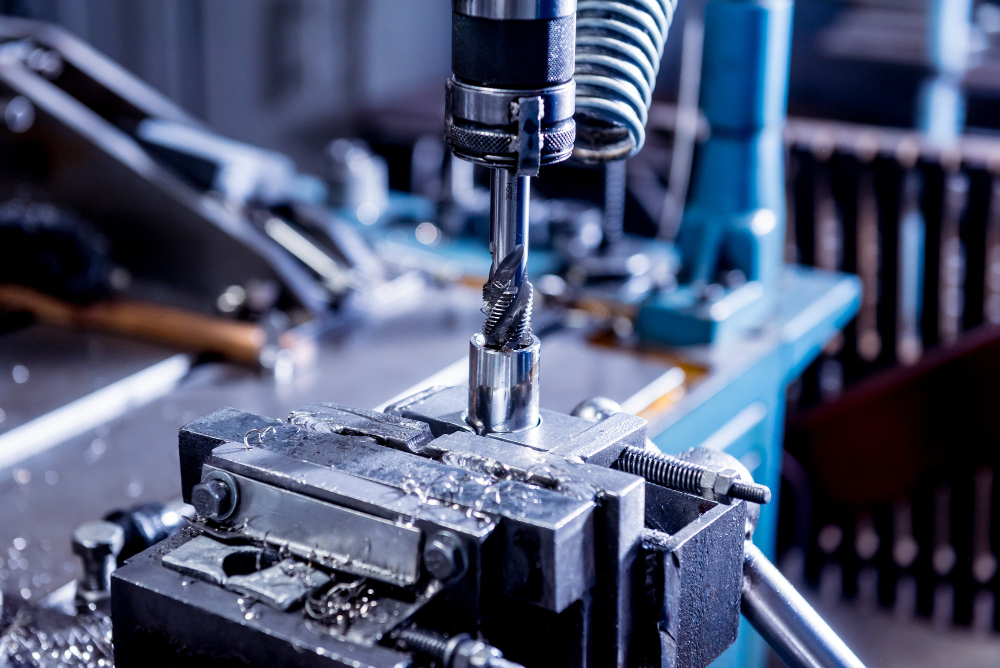
- CNC Machines: Computer Numerical Control machines are used for high-precision cutting, drilling, milling, and grinding operations. These machines are essential in industries where accuracy and consistency are crucial, such as aerospace, automotive, and medical device manufacturing.
- Lathes: Used for turning raw materials into precise parts by rotating the workpiece and applying tools to shape it. Lathes are used in various industries, including automotive, metalworking, and furniture production.
- Milling Machines: Milling machines are used for shaping and drilling materials using rotary cutters. They are versatile and essential in industries like automotive, aerospace, and metal fabrication.
- Processing Machines:
- Injection Molding Machines: These machines are used for creating plastic products by injecting molten plastic into molds. Industries such as consumer goods, automotive, and electronics rely on injection molding for mass production of parts.
- Extruders: Used to process materials like plastic, rubber, and food products by forcing them through a mold to create continuous shapes like pipes, sheets, or pellets.
- Stamping Machines: Stamping machines use pressure to shape or cut materials like metal or plastic. They are commonly used in industries like automotive, electronics, and packaging.
- Packaging Machines:
- Filling Machines: These machines are used to fill containers with liquids, powders, or granules. Examples include bottling lines for beverages, food processing plants, and pharmaceutical manufacturing.
- Sealing Machines: These machines are designed to seal packages securely after filling, ensuring that products remain safe during transportation and storage.
- Labeling Machines: Labeling machines apply labels to products or containers, ensuring they are correctly marked for distribution, tracking, and compliance with regulatory standards.
- Material Handling Machines:
- Conveyors: Conveyors are used to move materials and products through the production process, from raw material delivery to finished product shipment. They are crucial in warehouses, assembly lines, and distribution centers.
- Forklifts & Pallet Jacks: These machines are essential for moving heavy or bulky goods in warehouses, manufacturing plants, and construction sites.
- Robotic Arms: Robotic arms are used for tasks such as assembly, packaging, painting, and welding. These machines are highly versatile and can be programmed for various tasks, reducing labor costs and increasing precision.
- Construction Machinery:
- Excavators: Excavators are used in construction, mining, and civil engineering for digging, lifting, and moving materials. They are essential for tasks like trenching, material handling, and demolition.
- Cranes: Cranes are large machines designed to lift and move heavy materials, often used in construction, shipping, and manufacturing. Their ability to handle large, heavy loads makes them indispensable on job sites.
- Concrete Mixers: Concrete mixers are used in construction projects to combine cement, water, and aggregates to create concrete. These machines ensure consistent, high-quality concrete for building foundations, roads, and other structures.
 support@prosperoindia.com
 +91 84380 23310



 Innov Touch Technologies Pvt Ltd.